🖼
Hero Image
The First Look
A powerful still image becomes the emotional doorway: a face, a dock, a boat, an instrument, a reef, a storm-damaged shore, or a night anchorage.
Visual Entry Point
The knowledge that keeps these reefs alive doesn't live in a database. It lives in the people who have fished the same water for three generations — and who have never been asked to share what they know. Until now.
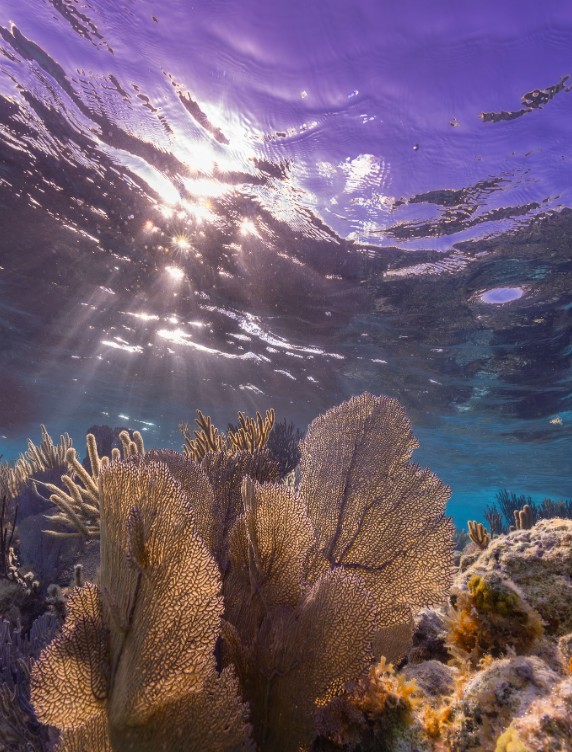
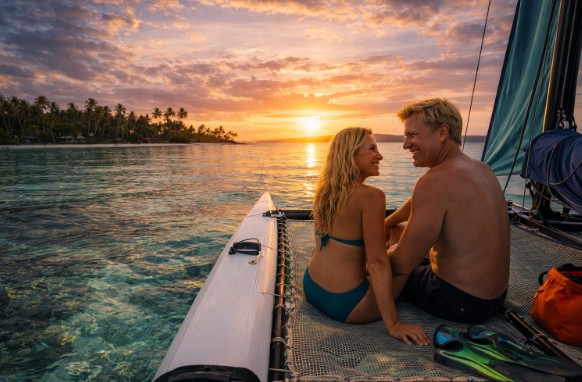
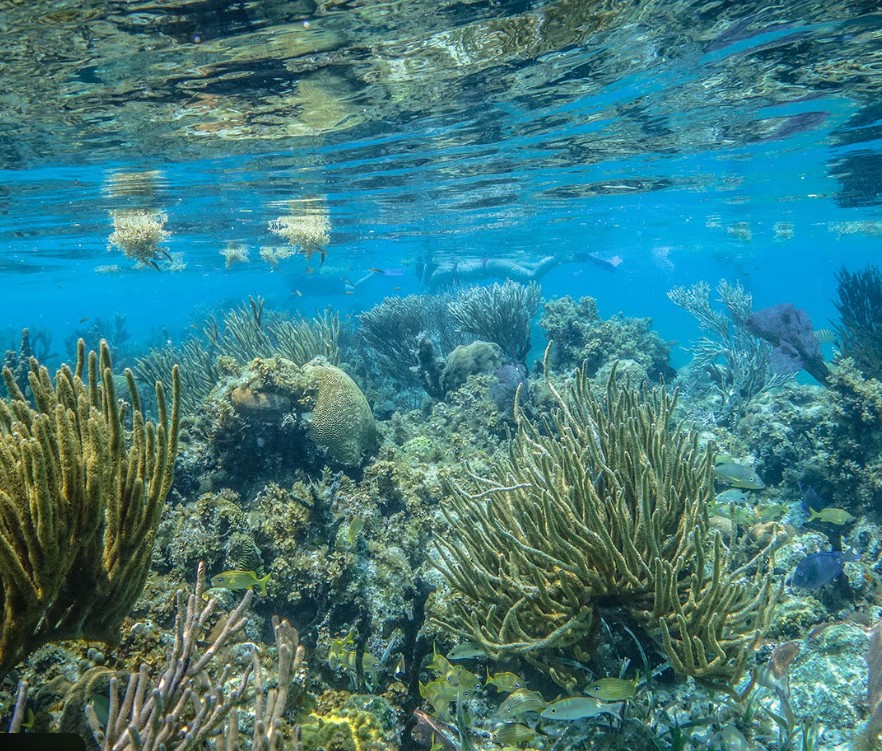
Somewhere in the Exumas there is a bonefish guide who remembers exactly what the flats and the reef looked like forty years ago — not in data, but in the way the fish moved, the color of the water at dawn, the stories the old men told when the catch was good. That knowledge lives in him. When he's gone, it's gone.
On the Sea Islands, a Gullah Geechee cast-net maker reads the tidal creeks the way a scientist reads a gauge — but her grandmother taught her, and her grandmother's grandmother before that, and no university has ever sent anyone to ask. Down East on Core Sound, an old fisherman knows every shoal off Cape Lookout by feel, by season, by the behavior of the birds. No chart captures what he knows.
These are not quaint stories. They are the most accurate ecological records on these coastlines — and they exist only as long as the people who carry them are alive and willing to speak. Shamrocket will stop at every harbor, every dock, every anchorage where someone has something worth saying. And it will listen.
This project is not reality television, tourism branding, or staged entertainment. It is a growing oral-history archive of real people whose lives are connected to the sea.
Different islands speak different languages, live under different flags, and remember different storms. But throughout the Rim, the same human themes return again and again: family, survival, fishing, music, migration, loss, joy, rebuilding, and love for the water.
The ocean becomes the thread. The stories become the record. Over time, Storytellers of the Rim becomes a human atlas of the Bahamas, the Florida and Atlantic coast, and the coastal world beyond it.
Each story stands on its own, but the archive will grow through recurring themes that help visitors travel emotionally through the Rim.
Divers, fishermen, guides, restoration workers, and reef communities speak about abundance, decline, survival, and the underwater places that shaped their lives.
Harbor talk, fuel-dock wisdom, waterfront jokes, marina legends, fishing pier memories, and the stories that only emerge once the boats stop moving.
Musicians, singers, dancers, drummers, and performers express island identity through sound, rhythm, movement, ritual, celebration, and improvisation.
Hurricane stories, lost boats, evacuations, rebuilding, grief, humor, and the generational memory carried by every storm coast.
Young people speak about island life, family, the ocean, climate, dreams, fear, joy, and the future they will inherit.
Captains, mothers, divers, artists, cooks, business owners, market workers, environmental leaders, and grandmothers tell the stories often left out of maritime history.
Traditional navigation, reef passages, storm prediction, forgotten anchorages, maritime legends, and decades of knowledge that cannot be learned from screens.
Low-light conversations, distant music, lanterns, confessions, laughter, philosophy, rain on fiberglass, and the emotional atmosphere that only exists after dark.
Handline fishing, lobster diving, wooden boats, instinctive reef knowledge, changing economies, modernization, and traditional maritime culture under pressure.
Recovery, rebuilding, solidarity, hope, and the human spirit that rises after hurricanes, floods, economic collapse, or personal loss.
Each published story will have its own visual space: a still image, a short written summary, the location, the story stream, and a link to watch or listen to the full session.
A bonefish guide in the Exumas, a dock singer in Key West, a grandmother on the Sea Islands, a diver in the Keys, a child in George Town, a boatbuilder on Harkers Island — people who may never meet each other become connected through one continuous ocean route.
The finished archive will not feel like a playlist. It will feel like a mosaic of living places. Each story card becomes a doorway into a person, a harbor, an island, a reef, a storm, a song, or a memory.
A powerful still image becomes the emotional doorway: a face, a dock, a boat, an instrument, a reef, a storm-damaged shore, or a night anchorage.
A short cinematic summary gives context before visitors watch or listen: who is speaking, where they are, what memory they carry, and why the story matters.
The full session through video or audio — the storyteller’s pauses, laughter, emotion, music, silence, and truth heard directly.
Every story belongs to a real place: a harbor, beach, reef, village, island, marina, storm refuge, or anchorage where the memory was shared.
Supporting stills show the environment: hands, boats, tools, families, docks, reefs, instruments, streets, markets, and the weather of that day.
As the route grows, the stories become a human chart of the Bahamas and the Atlantic coast — not just where the boat traveled, but who was heard along the way.
The project will preserve more than words. It will preserve wind, rain, rigging, surf, insects, harbor noise, underwater breathing, engines shutting down, music drifting across anchorages, and the silence that sometimes says more than speech.
A great story may happen at a waterfront bar in full daylight. Another may happen under red light at anchor while rain moves across the bay. Another may happen through drums, singing, dancing, or a child drawing the ocean as they see it.
Imperfection is part of the identity. A pause, a laugh, a dog barking in the distance, thunder behind the speaker, or waves tapping against the hull are not mistakes. They are proof that the story was alive.
If Shamrocket will pass through your harbor, island, or reef — and you have a story worth telling — reach out in advance. Tell us who you are, how to reach you, and what you want to share. No scripts. No auditions. Just a conversation about whether we’re a good fit before we arrive.
We read every submission personally. We cannot guarantee a session with everyone who writes in — the route and the time it allows will decide that. But every message is considered, and the ones that fit will be waiting when the boat arrives.
Fill in the form. Tell us your name, location, contact, and the shape of your story.
Every submission comes directly to us — no staff, no filter. We’ll reply personally if the story fits the route and timing.
If the route brings us near you and the story resonates, we’ll make a plan before we arrive. Simple and direct.
If we meet and you want to tell it, your voice becomes part of the archive — carried from harbor to harbor along the route.
Thank you for reaching out. Your submission has been sent directly to Catamaran Dan and the Shield Maiden. If your story and location fit the route, you’ll hear back personally before Shamrocket arrives.
No reply means the timing didn’t align — not that the story wasn’t worth telling.
Submit Another Story →Over time, Storytellers of the Rim can become a digital maritime museum: story tiles, route maps, audio sessions, reef memories, storm testimonies, island songs, old captains, children, women of the water, fishermen, and communities rebuilding after the wind.
Most expeditions document places. This one documents emotional memory. Years from now, some of these recordings may become historically priceless — voices from people and ways of life that may never have been professionally preserved before.
Storytellers of the Rim™ • Catamaran Dan • Nevado Raiders™