The Most Destructive Fish on the Reef — and What One Diver Can Do About It
The lionfish (Pterois volitans) is native to the Indo-Pacific. It has no business being in the Atlantic. It arrived here — almost certainly through home aquariums dumped into Florida waters — and has since spread from the Gulf of Mexico to Brazil with zero natural predators to check its growth.
A single lionfish can reduce the juvenile reef fish population of a coral head by up to 79% within five weeks. It eats constantly, breeds year-round, and is completely unafraid of divers — which makes it uniquely vulnerable to the one intervention that works: a trident, a steady approach, and a clean shot.
Removing them by hand is one of the very few direct actions an individual diver can take that immediately and measurably benefits reef health. CD carries a trident across Blue Rim 5™ — Bahamas winters and Florida and Atlantic summers — and hunts wherever local law permits. In the Bahamas, that means freediving with a Hawaiian sling or pole spear; scuba and hookah stay aboard.
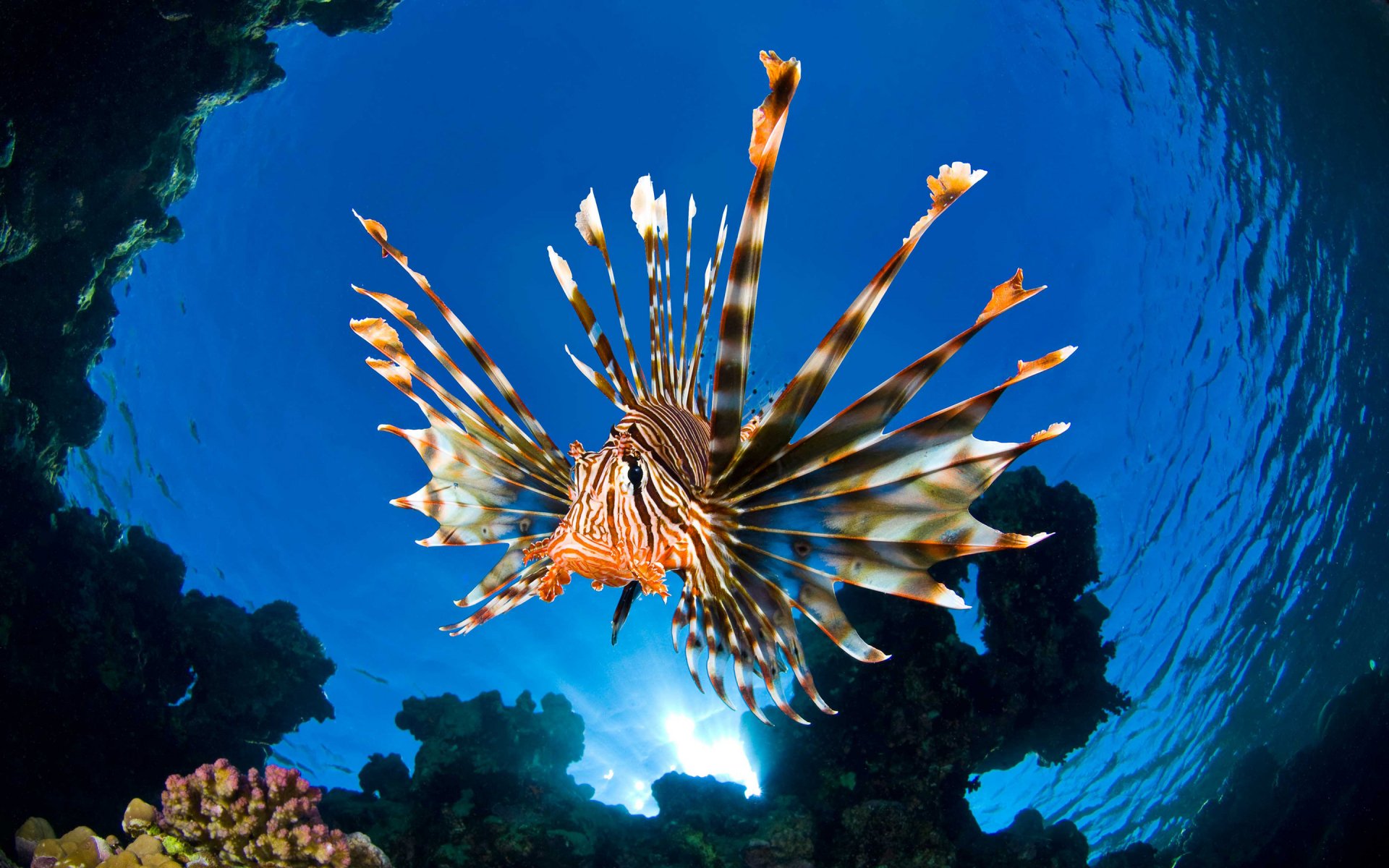
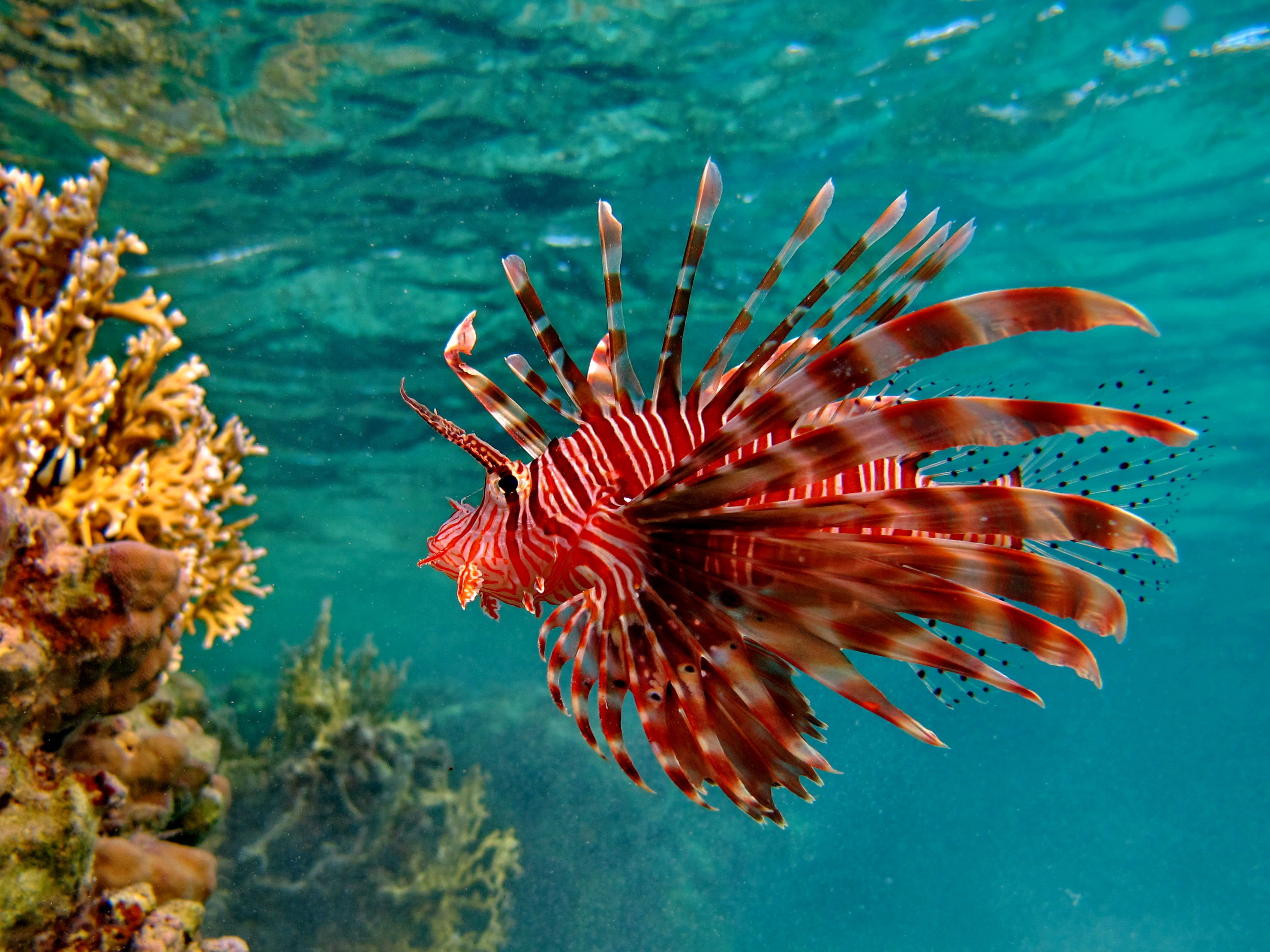
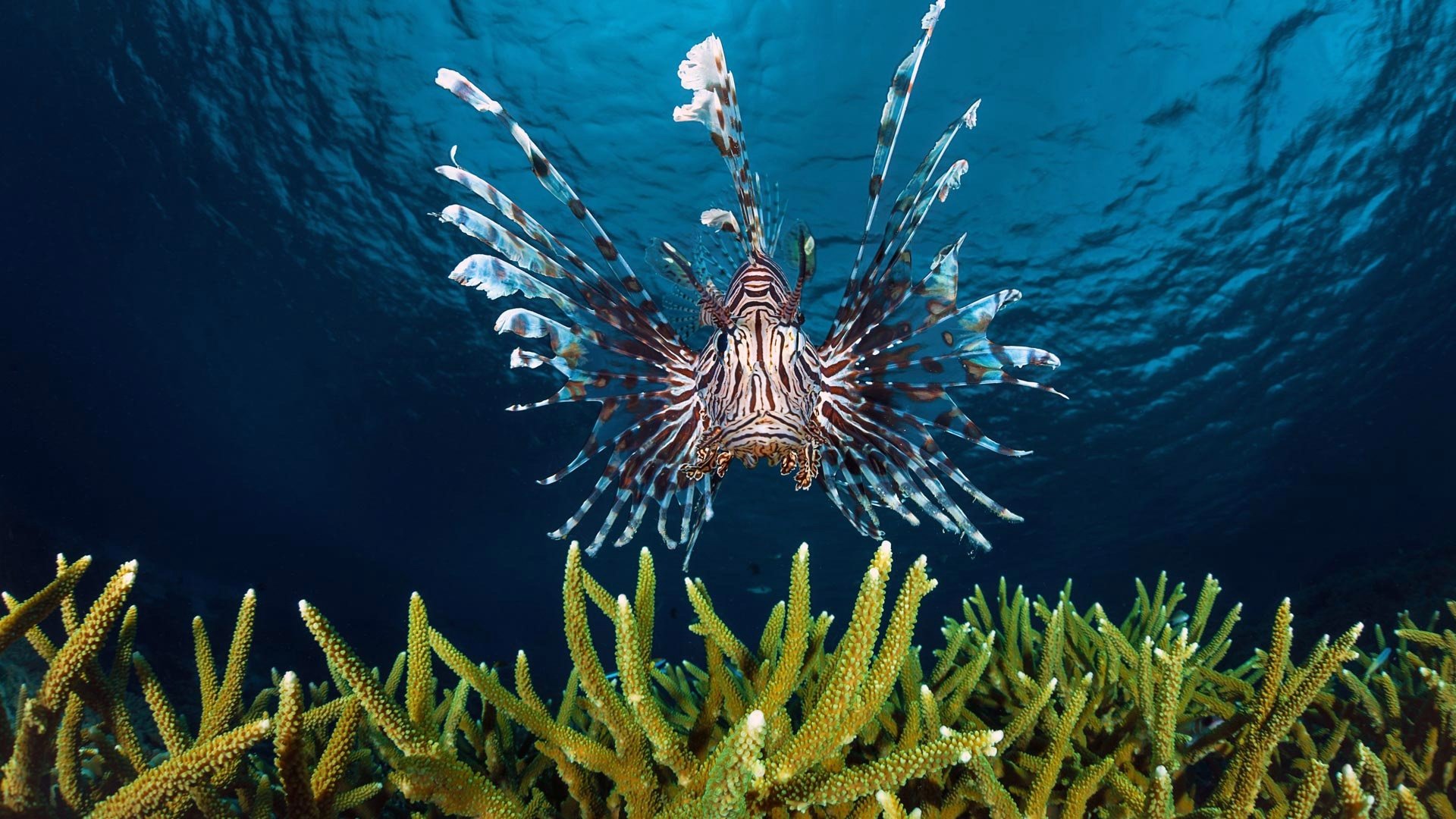
// CD the Lion Hunter
VESSEL: SHAMROCKET · BLUE RIM 5™ 2027+
WEAPON: TRIDENT · THEATRE: THE BAHAMAS / FLORIDA & ATLANTIC COAST
Hunting Regulations by Region
Blue Rim 5™ — The Bahamas & U.S. Coast| Region | Status | Key Conditions & Notes |
|---|---|---|
| 🇧🇸 The Bahamas | ⚠ Restricted | Foreign-vessel fishing permit obtained when clearing in at a port of entry; spearing only with a Hawaiian sling or pole spear when authorized on the permit; spearguns prohibited; no scuba or compressed air of any kind (including hookah) — freedive only; no spearfishing within 200 yards of Family Island shores or within 1 mile of New Providence and the south coast of Grand Bahama; nothing may be taken in national parks such as the Exuma Cays Land and Sea Park |
| 🇺🇸 Florida & the Keys | ✓ Legal | No recreational license needed with a pole spear, Hawaiian sling, handheld net, or lionfish-specific spearing device; no bag limit; lionfish removal encouraged in the Florida Keys National Marine Sanctuary under standard gear rules; Sanctuary Preservation Areas are no-take except by sanctuary permit after training |
| 🇺🇸 Dry Tortugas & Everglades NPs | ✗ Prohibited | No fishing or harvest of any kind, lionfish included — also applies in all Florida state parks and within 300 feet of public swimming beaches, fishing piers, and fishing bridges |
| 🇺🇸 Georgia | ⚠ Verify | Georgia saltwater license; all spearfishing gear is prohibited in Gray’s Reef National Marine Sanctuary; confirm current lionfish rules with Georgia DNR before hunting elsewhere |
| 🇺🇸 South Carolina | ⚠ Verify | South Carolina saltwater license; confirm current spearfishing and lionfish rules with SCDNR before hunting |
| 🇺🇸 North Carolina | ✓ Legal | Coastal Recreational Fishing License required to spear; lionfish are found on offshore wrecks and ledges, including the Graveyard of the Atlantic |