Bahamas winters based at Great Exuma. Summers from the Dry Tortugas to North Carolina. A 17-foot catamaran, no fuel aboard, and every anchorage, reef, wreck, and empty beach logged along the way.
Blue Rim 5™ is a long-running, two-season expedition aboard Shamrocket, a 17-foot Hobie Getaway catamaran. Winters are spent in the Bahamas. Summers are spent on the U.S. side, from the Dry Tortugas and the Florida Keys up the Atlantic coast to North Carolina. Then the cycle repeats.
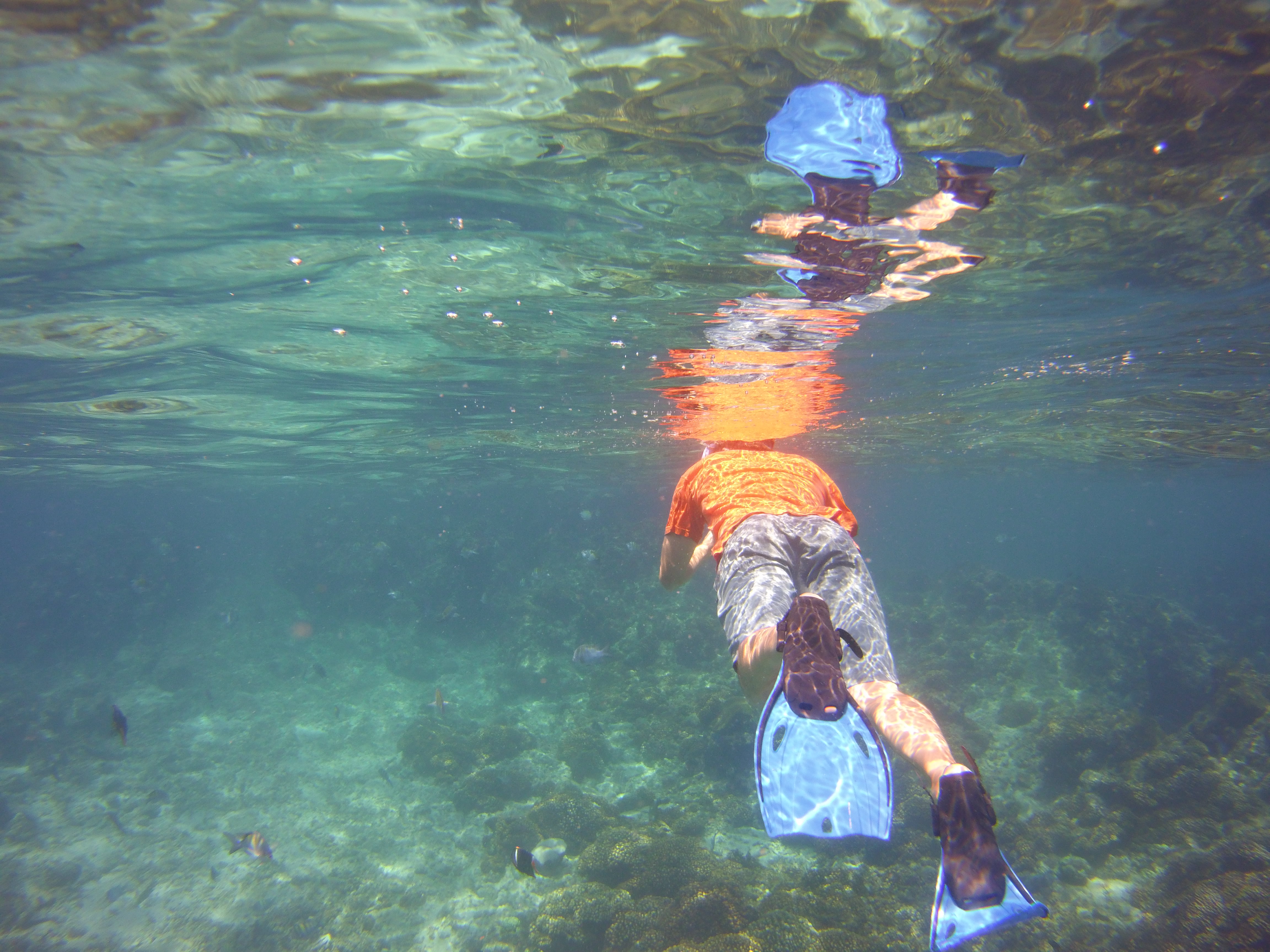
The work is the same in both seasons: get in the water. Snorkel it, dive it, and log it. Every anchorage, snorkel site, dive site, hurricane hole, waterfront bar and restaurant, and uninhabited beach pull-up gets recorded with its position, so the next mariner has something real to go on.
Alongside the logging, the expedition supports marine field research, digs into shipwreck history, films and broadcasts live from the water, and brings the music of the Rim to the waterfront venues along the way.
Blue Rim 5™ has no finish line and no deadline. A handful of rules decide how it moves.
Weather windows decide when Shamrocket moves. The quality of a place decides how long she stays. Stays get extended freely — there is nothing to rush toward.
Nights are spent at anchor, on a mooring, or pulled up on a beach. Never a marina overnight unless there is truly no alternative.
The only reasons to come ashore are fresh water and groceries. Shamrocket needs no fuel, so the rest of the time is spent on and in the water.
No gasoline, no diesel, no propane. Wind and a solar-powered electric motor move the boat, and solar charges everything aboard.
Every site visited is recorded with its latitude and longitude, conditions, and notes — built up season after season into a working register for other mariners.
The focus is underwater. Reefs, seagrass beds, mangrove creeks, blue holes, and wrecks — the places a 24-inch draft can reach that bigger boats cannot.
The first year takes the long way around — along the Gulf coast, down to the Keys, and up the Atlantic — before the crossing to the Bahamas. After that, the seasons take over. All dates depend on weather.
Shamrocket leaves Mobile Bay and heads east along the Gulf coast: Pensacola, Destin, Panama City, Apalachicola, Cedar Key, and Tampa Bay, then south along Florida's Gulf side toward the Keys.
The opening winter is spent in the Florida Keys, from the island chain out to Key West and the Dry Tortugas. The first season of logging starts here: reefs, anchorages, and dive sites along the Keys.
From the Dry Tortugas and Key West, up the Florida Atlantic coast, past Georgia and the Carolinas, to Cape Lookout, North Carolina, and the wrecks of the Graveyard of the Atlantic.
After working back south, Shamrocket crosses the Gulf Stream from Fort Lauderdale to the Bahamas on a proper weather window.
The first full winter in the Bahamas — at least six months, based around Great Exuma, working the islands and cays and beginning field research with marine research teams.
Bahamas winters. Florida and Atlantic summers. Each season adds to the register, the research, and the story.
Every winter from 2028–29 on is spent in the Bahamas — at least six months a season. The base is Great Exuma, home to the warmest water in the chain. From there, Shamrocket works outward across the islands: reefs, seagrass beds, mangrove creeks, tidal creeks, blue holes, and the uninhabited and abandoned cays that bigger boats pass by.
The goal is a complete, position-tagged record covering the entire Bahamas, built one season at a time.
| Logged | What Gets Recorded |
|---|---|
| Dive Sites | Position, depth, conditions, and what's down there |
| Snorkel Sites | Position, conditions, reef and marine-life notes |
| Anchorages | Position, holding, protection, and approach notes |
| Uninhabited Cays | Uninhabited and abandoned cays, with position and landing notes |
| Water & Groceries | Marinas and stores where fresh water and provisions are available |
| Hurricane Holes | Known holes checked and verified; new ones logged |
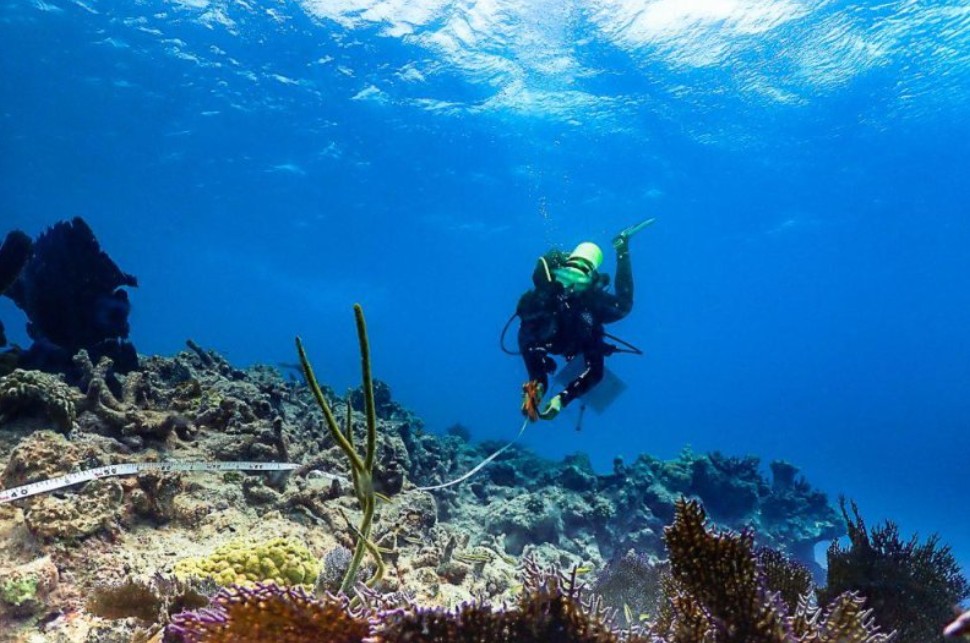
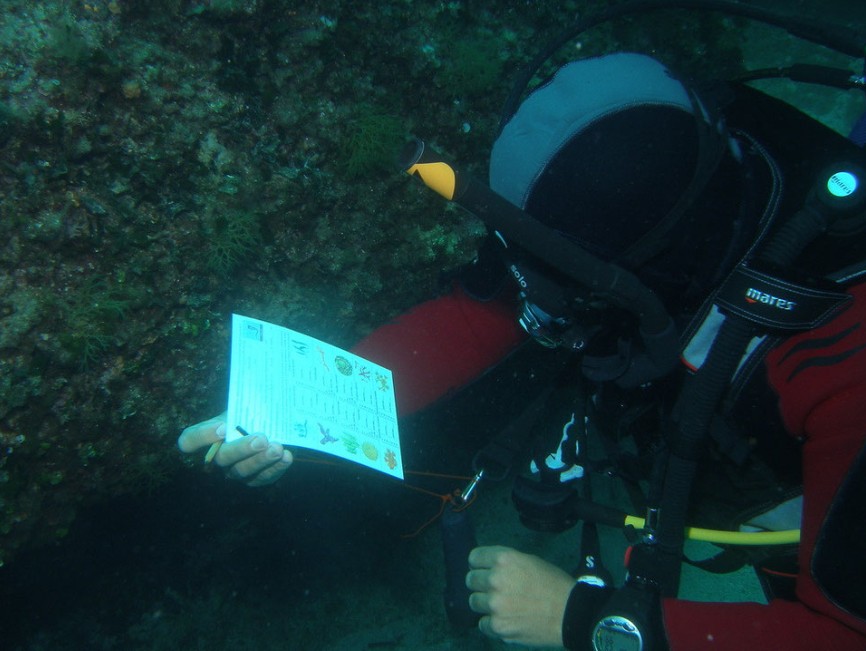
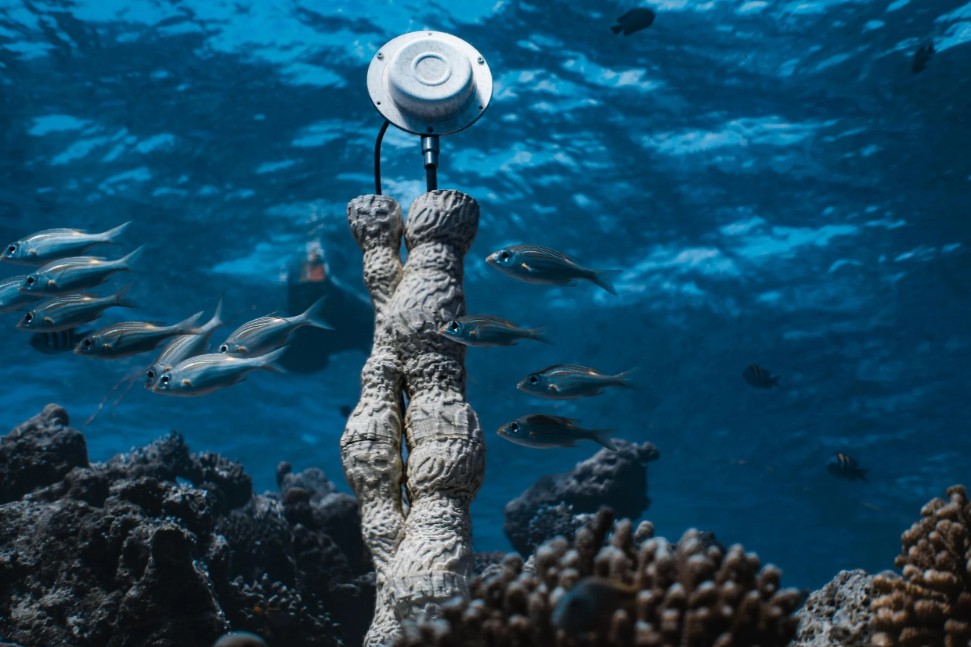
The Bahamas winters are research seasons. Shamrocket and her instruments serve as the field platform — MOOP, the Marine Observation and Operations Platform — working alongside established marine research teams and under their scientific direction. The Bahamas work draws on five GROAN™ modules:
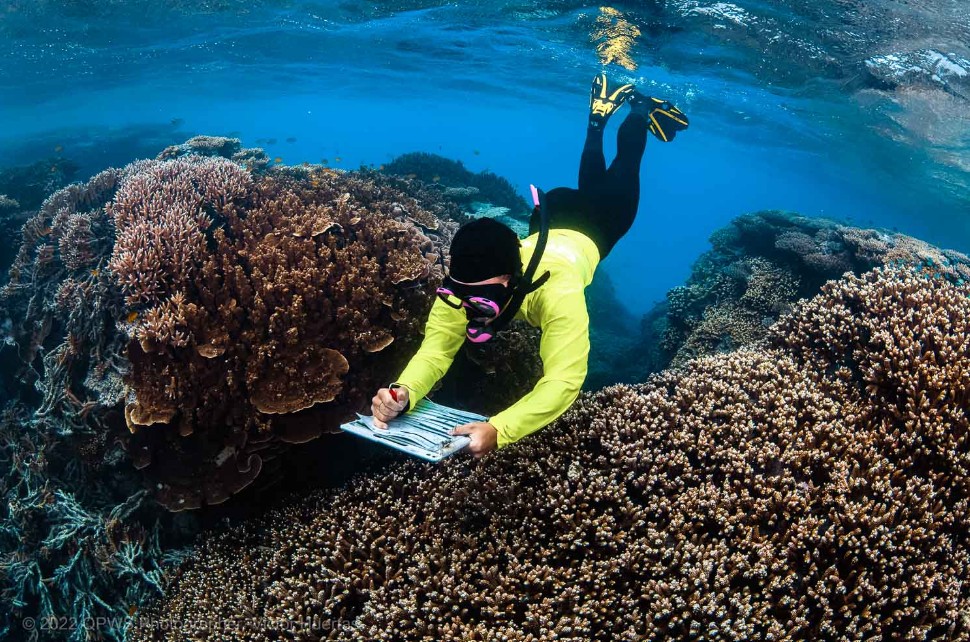
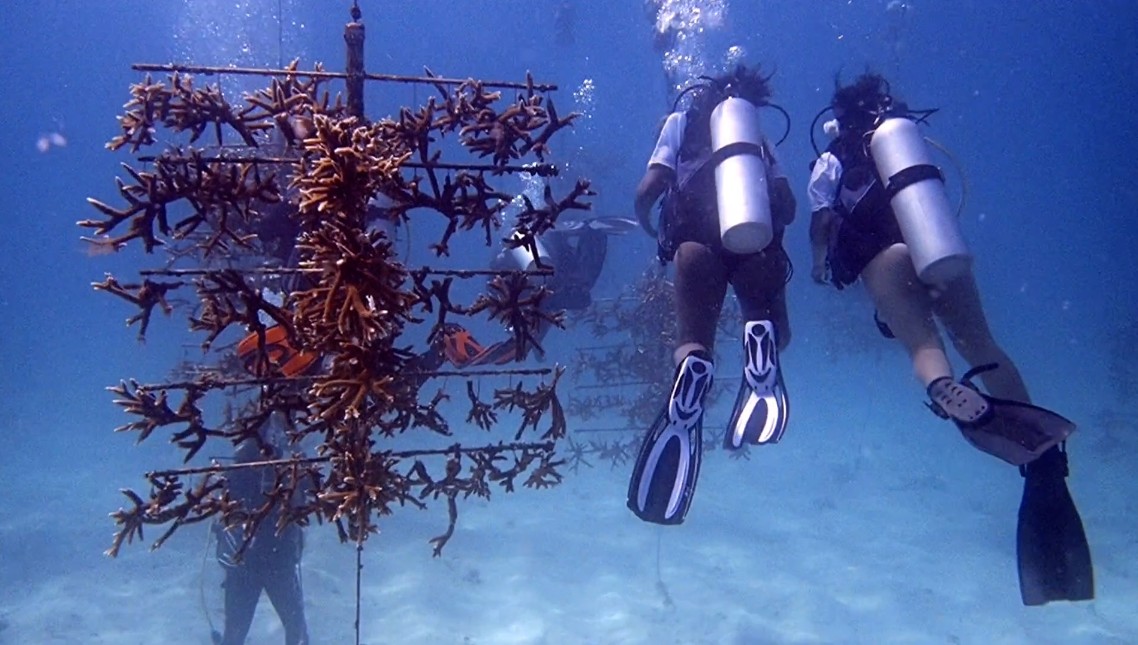
Coral reef observation and survey support.
Seagrass bed observation.
Mangrove creek and shoreline observation.
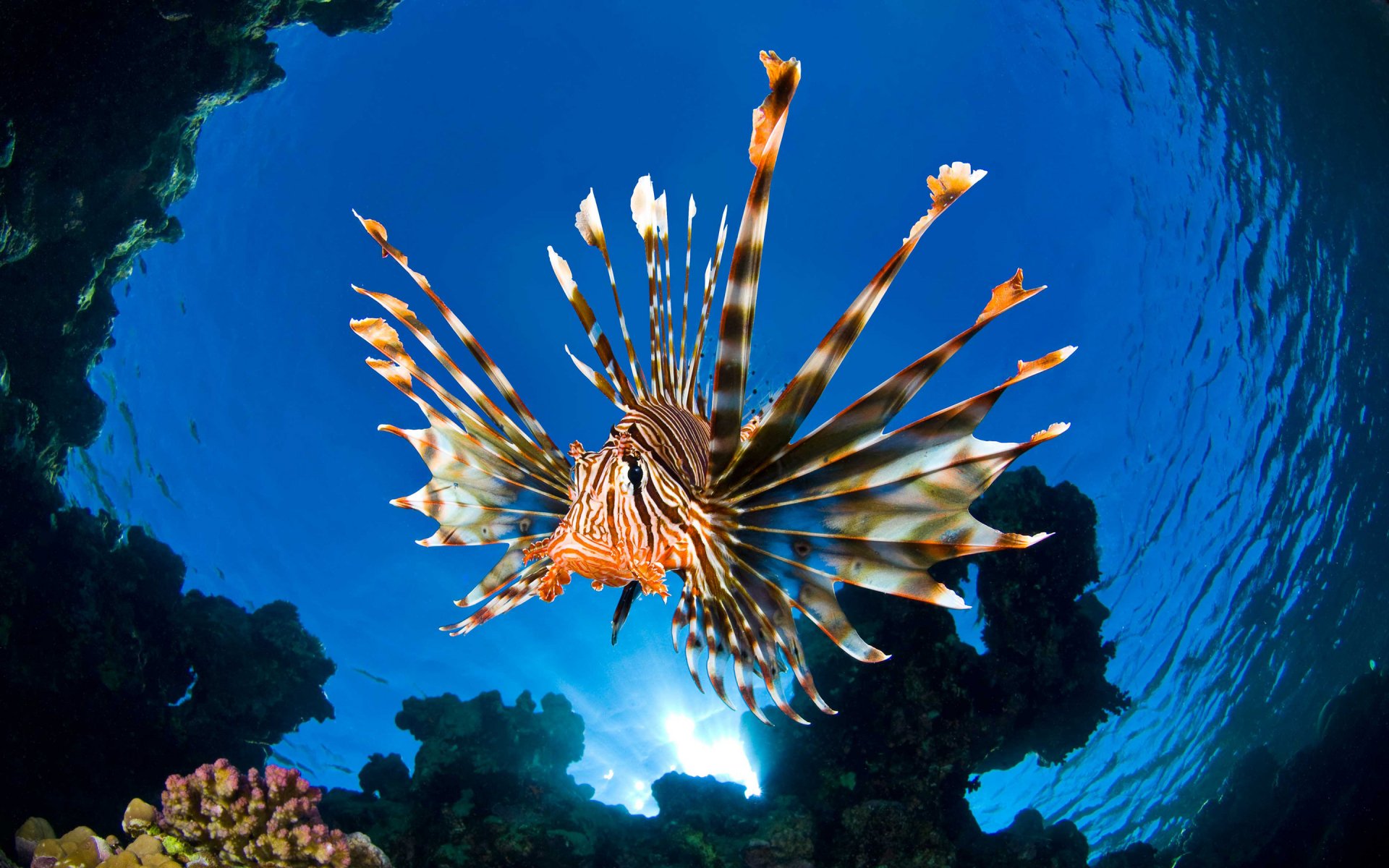
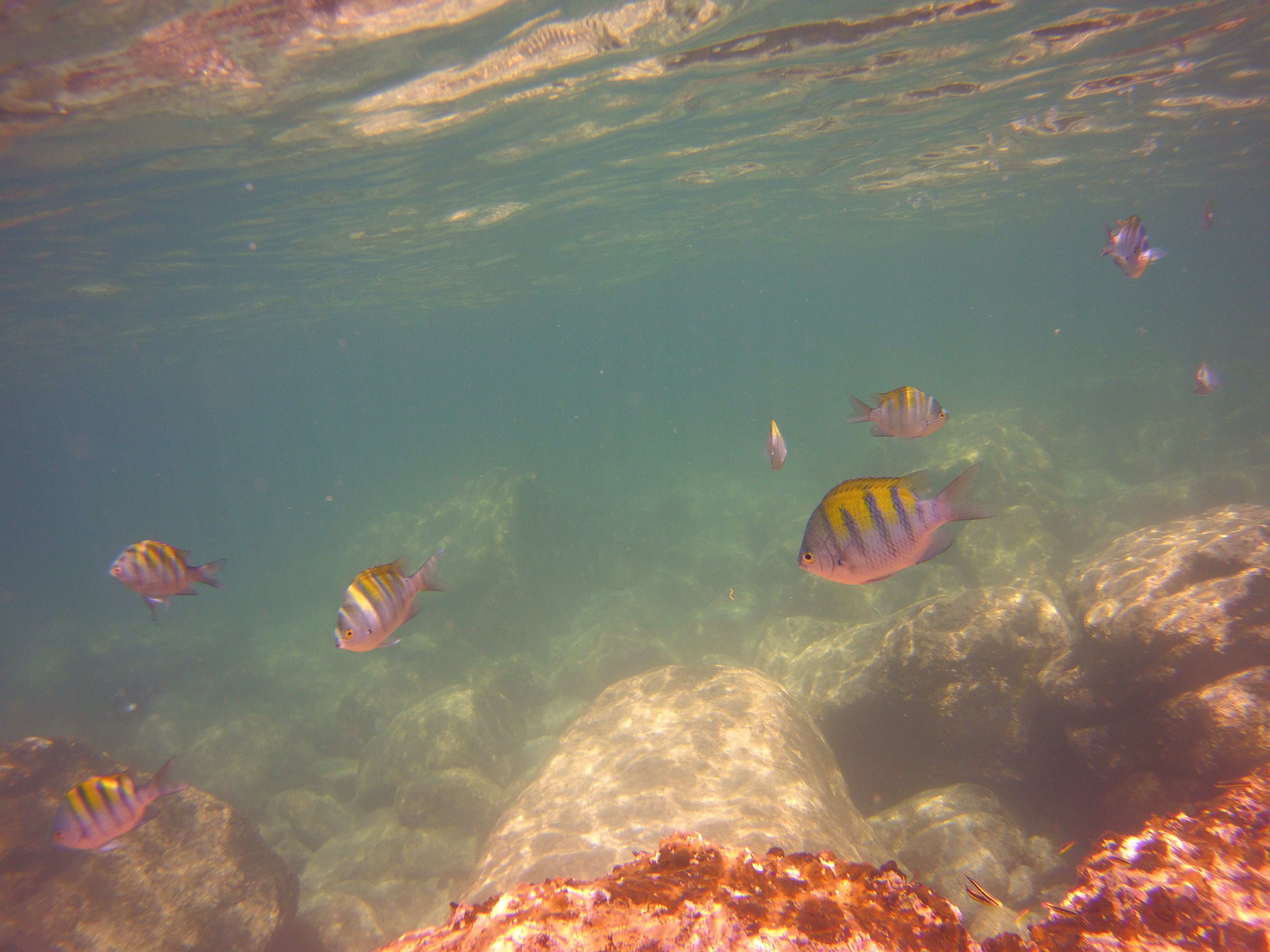
Marine-life observation, including invasive lionfish.
Tidal creeks, blue holes, and brackish areas.
The winter season is also about giving back to the islands that host it. The aim is to promote the Bahamas to boaters and divers — through the register, the filming, and live music, including concerts featuring local Bahamian bands.
🇧🇸 The Bahamas • Winter
Field Research • GROAN
Summers are spent on the U.S. side, running from the far western end of the Keys all the way up to the wreck grounds off North Carolina.
| Stretch | What's There |
|---|---|
| Dry Tortugas | The western end of the route — remote reefs and clear water |
| Key West & the Keys | The Florida reef line, anchorages, and waterfront venues |
| Florida Atlantic Coast | Reefs, inlets, and anchorages up the east coast of Florida |
| Georgia | Barrier islands and sheltered anchorages |
| The Carolinas | Up the coast toward the northern end of the summer range |
| Cape Lookout, NC | The Graveyard of the Atlantic and its wrecks |
Logging the coast. Every dive spot, snorkel spot, anchorage, waterfront bar and restaurant, and uninhabited beach pull-up from the Dry Tortugas to North Carolina gets recorded with its position.
Hurricane holes. Known hurricane holes along the route are checked and verified, and new ones are logged.
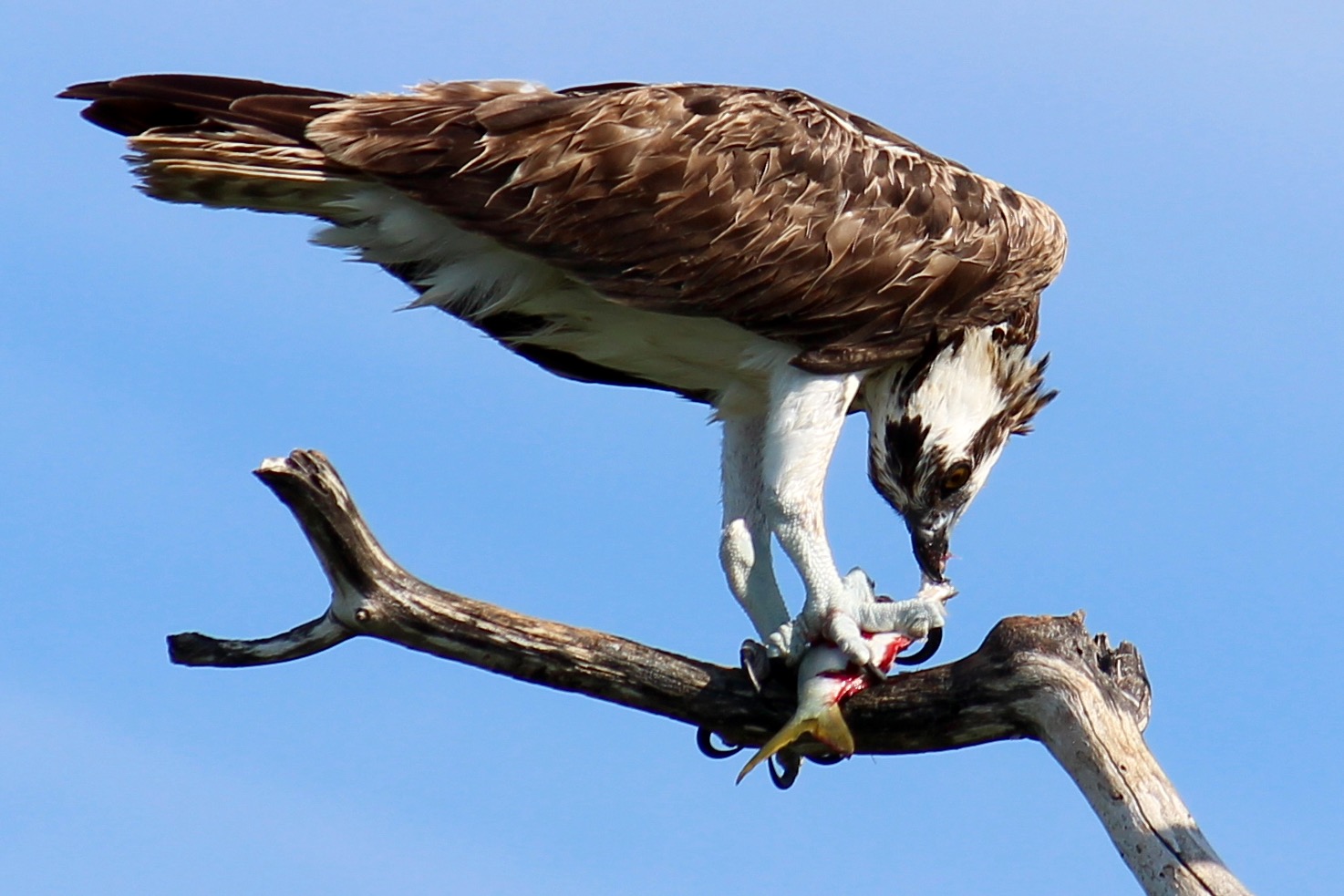
Shipwreck history. Summers bring research into the wrecks along the route — historical records and archives ashore, then diving the sites. From the Keys to the Graveyard of the Atlantic, this is slow, patient work done at the boat's own pace.
Research teams. Shamrocket and her gear are available to work with marine research teams on the U.S. side as well.
Filming and live broadcasts. Footage from the water and live broadcasts over Starlink, whether at anchor or from a marina.
Music on the waterfront. Songwriting along the way, and performances at waterfront venues — while promoting the Bahamas to U.S. boaters and divers ahead of each winter.
🇺🇸 Keys & Atlantic • Summer
Both seasons include a job that serves every small-boat sailor who comes after: checking the location and conditions of known hurricane holes in the Bahamas and along the Dry Tortugas to North Carolina route, and logging new ones found along the way. That information is being saved and will be made available to mariners.
Hobie Getaway catamaran. 17 feet. 24-inch draft. Open trampolines. She gets into places bigger boats can't go — inside the reef, up the mangrove creek, onto the beach. Wind and a solar-powered electric motor move her, and a DRAGR Magnum Jet Sled carries the gear. Over 1,250 miles have already been sailed in the catamaran-and-sled configuration.
See the Full Build →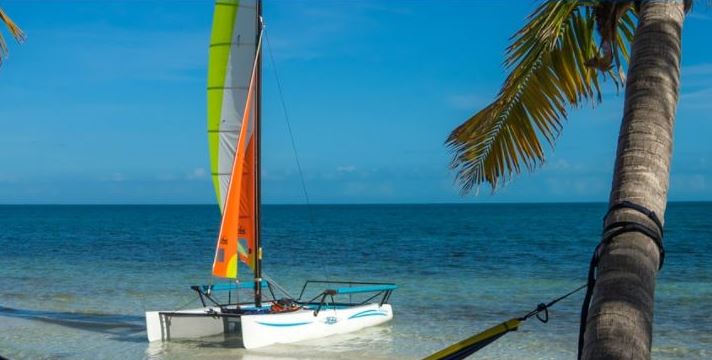
Shamrocket — Hobie Getaway Catamaran · 24" Draft
| System | Aboard |
|---|---|
| Power | Jackery Solar Generator 2000 v2 with solar — no fuel, no propane, nothing combustible |
| Propulsion | Sail and a solar-powered electric motor |
| Diving | J Sink Air Line E160v2 hookah system, full SCUBA setup, Shearwater Peregrine dive computer |
| Research | Apera PCO60-Z multiparameter water-quality meter (temperature, pH, salinity, ORP, dissolved oxygen) and Secchi disk |
| Navigation | Samsung Galaxy Tab Active5 5G with Navionics; Lowrance Hook 4 Chirp fish finder |
| Communications | Starlink Mini |
| Imaging | SeaLife CI 2.0 underwater camera; DJI Mini 4 Pro drone |
| Sound | Two BOTE MAGNEBoom Swell speakers; JBL Boombox 4 |
| Gear Transport | DRAGR Magnum Jet Sled |
The public Expedition Log here on catamarandan.org tells the story season by season — the places, the people, the water.
A separate Technical Expedition Log is kept for manufacturers. It documents how Shamrocket and her sled actually perform over the long haul: payload, handling, wear, failures, repairs, modifications, and feedback collected from other sailors and boaters along the way.
Read the log, meet the people behind the expedition, and see the research taking shape.