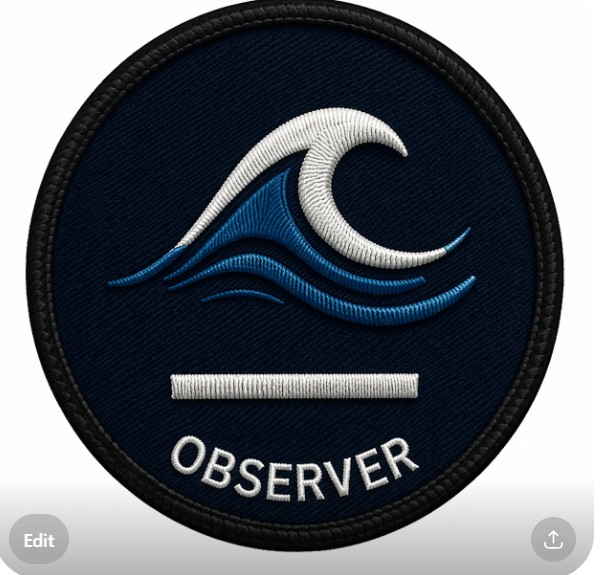
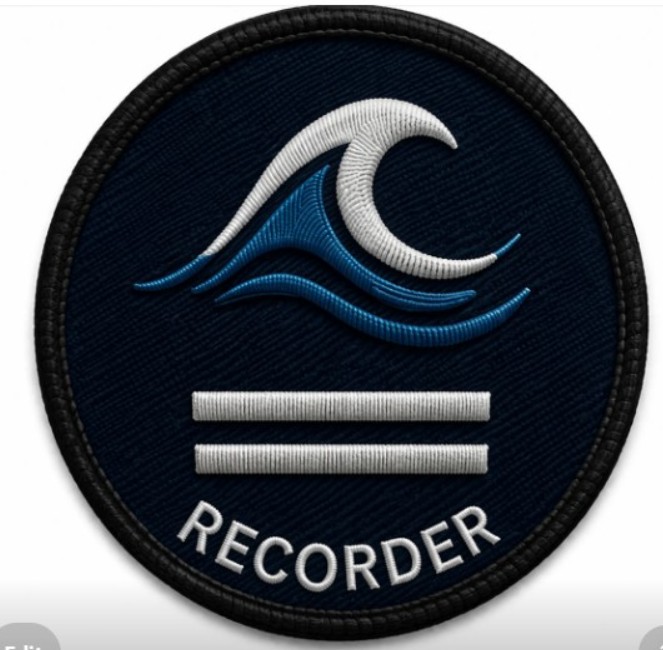
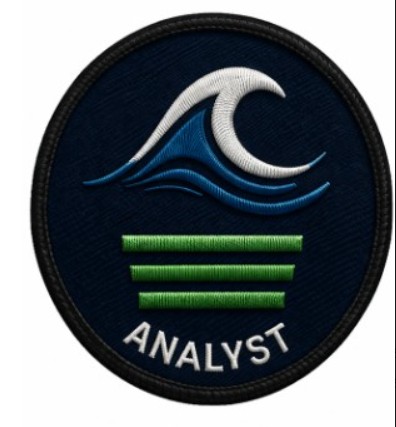
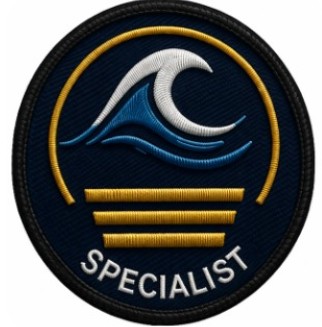
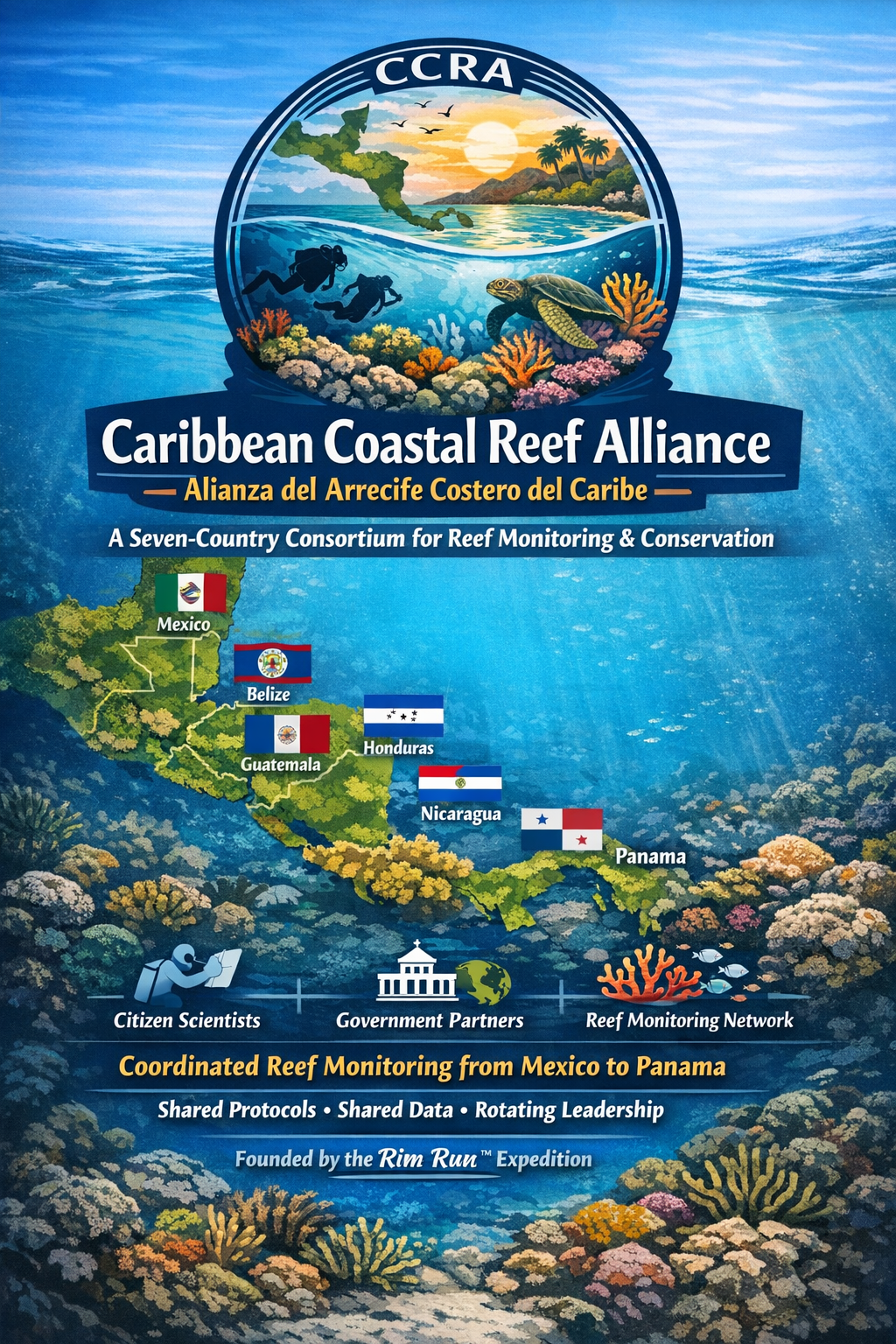
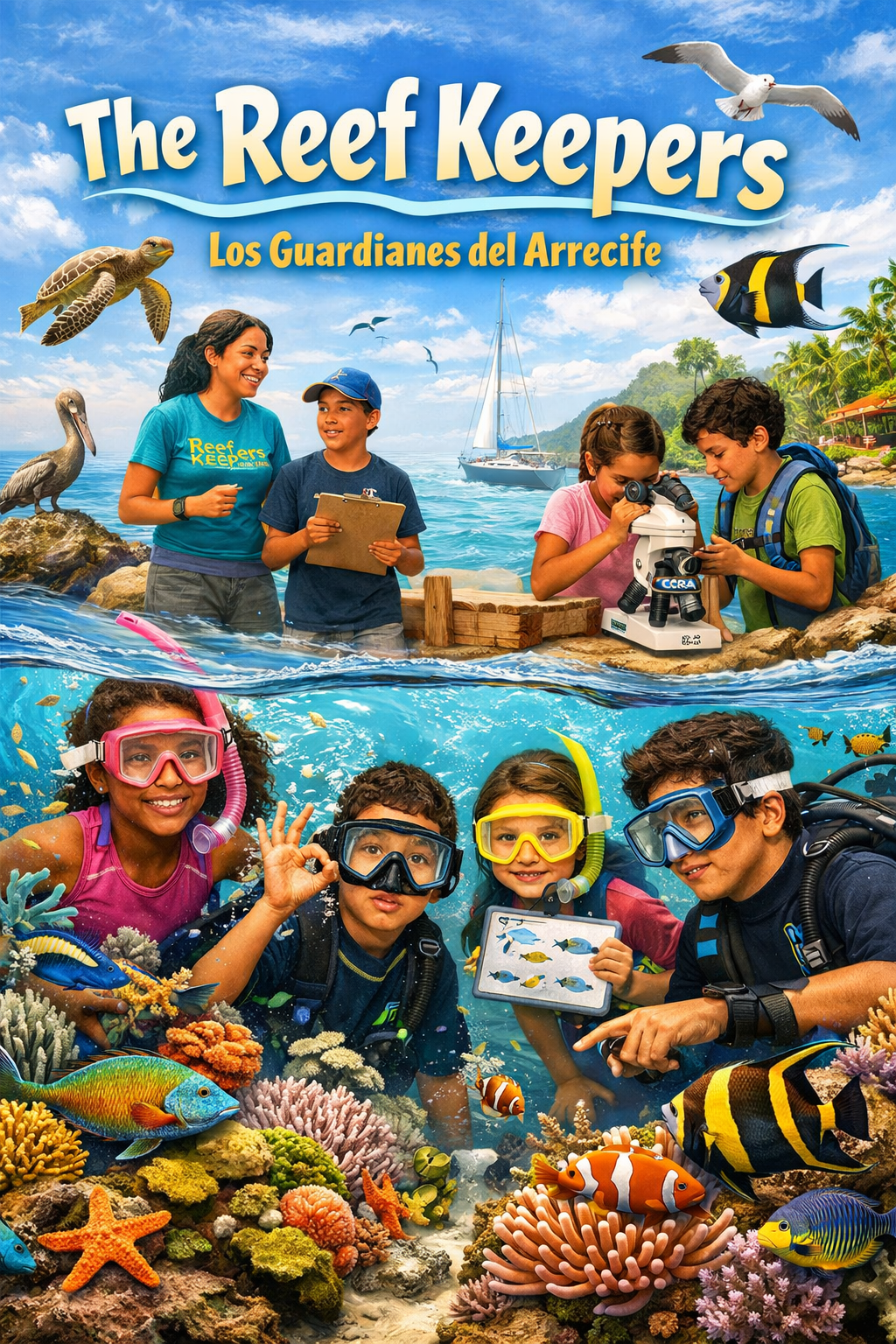
Trained local observers. Standardized field protocols. A living reef record built one country at a time — for as many years as it takes.
The Rim Run™ Citizen Science Network connects trained local observers with a standardized field system to monitor reef conditions across multiple countries. The goal is not a snapshot — it is a longitudinal record, built year after year, that grows more scientifically valuable with every passing season.
No outside organization has committed to this coastline, these depths, and these communities with the consistency this work demands. The Rim Run™ does. Every year. The same loop. The same protocols. The same standard.
This network is built to establish trained, locally anchored observers in every participating country — people who know their reef, know their community, and carry the data forward long after the expedition has moved on.
Coordination with national marine authorities and protected area managers in each country ensures access, permitting, and institutional legitimacy for long-term monitoring.
Protocols align with Reef Check, AGRRA, and Healthy Reefs Initiative standards — ensuring data integrates with the wider Caribbean monitoring record.
Locally recruited and trained divers, fishers, and coastal community members who maintain site-level monitoring between annual expedition visits.
Standardized field training delivered in-country during each circuit — hands-on, protocol-driven, and designed for retention by non-scientists.
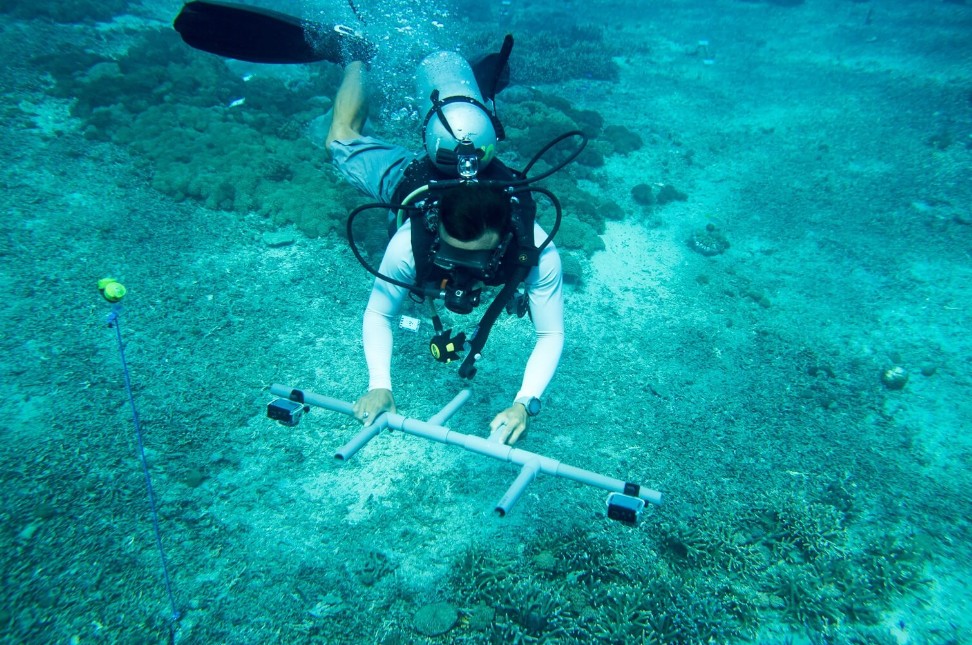
Belt transects, point-intercept surveys, fish counts, and photographic documentation — consistent methodology across all seven countries.
Trained observers conduct rapid post-storm assessments at their home sites, building the first systematic storm-impact record for this coastline.
Each annual circuit includes observer calibration sessions — ensuring data quality and methodological consistency as the network grows.
Twenty years of standardized observations along this arc would constitute one of the most significant community-based reef records ever assembled.
Each field immersion session produces documented observations, trained participants, and measurable public visibility. Participants work alongside the expedition science team in a controlled field environment — real protocols, real data, real standards.
This is a controlled field environment. Entry is earned. Standards are non-negotiable. What participants leave with — observation skill, protocol discipline, and ownership of their site — is the entire point.
Limited cohorts per session. Pre-brief, in-water protocol, and post-dive data entry — every time, without exception.
Skills are built in the water, at depth, on actual reef survey stations — not in a classroom.
The data is only as good as the method. Observers learn why consistency matters before they learn the technique.
Trained observers own their site data. The network supports them — it does not extract from them.
The expedition vessel is a functional science platform. Participation means working alongside a professional operation.
Field cohorts are intentionally small. Quality of training over quantity of participants — every time.
Session documentation — photos, data summaries, observer profiles — is published to extend the network's reach beyond the field.
The goal is a trained, locally credentialed observer at every major reef site on the circuit within five years.
The network's long-term value lives in the observers who return to their sites year after year — logging what has changed, what has recovered, and what is still under threat. These are not tourists. They are the record.
```
Whether you are a scientist, a government agency, a coastal community, or a diver who wants to do more than look — the Rim Run™ Citizen Science Network wants to hear from you.
[email protected]